







Search Results for: store distribution

North China Pharmaceutical Crosses into the Tea Beverage Sector: Herbal Formulas Plus Free Health Checkups, Franchise Model Hides a Distribution Trick
What kind of sparks fly when a well-known domestic pharmaceutical company starts selling milk tea? In mid-August this year, North China Pharmaceutical's tea beverage brand opened its first store in Shijiazhuang, marketed with "healthy water," "Five Elements secret formula," and "pure natural, zero additives," with basic drinks priced at only 7 yuan. Even more surprising, during the soft opening, customers could enjoy a comprehensive smart health checkup, with a robot testing 70 indicators across ten major systems and recommending corresponding drinks based on the results. First-day revenue was nearly 8,000 yuan, and business has remained so booming since then that takeout has been shut down. The brand has already begun preparing franchise materials and plans to officially open franchising next year, while franchise stores will also take on the distribution function for Huawei Health functional foods. So how exactly does this move work? Let's take a closer look. [more…]

Starbucks red cup distribution standards vary: some get them for free while others who buy more are denied, global users call for fair treatment
Every November, Starbucks red cups arrive as scheduled, becoming a tacit year-end ritual between fans and the brand. However, this year's Red Cup Day sparked controversy due to inconsistent execution standards across stores: some locations handed out the limited-edition cups freely and at random, while others imposed strict limits, refusing to give an extra cup even if you bought an additional drink. This left rule-abiding customers confused and feeling unfairly treated, and users back in China also called on the brand to treat everyone equally worldwide. This article takes you through the distribution chaos and customer sentiment behind this year's red cups. [more…]
Luckin Coffee Mid-Autumn employee gift boxes set a work-hour threshold; part-timers must reach 360 hours to be eligible
As the Mid-Autumn Festival approaches, companies are showing off their employee gift boxes, and Luckin Coffee's Mid-Autumn benefits have sparked heated discussions on social media. Unlike previous years, this year Luckin has set clear work-hour thresholds for gift box distribution: full-time employees receive them via unified delivery from headquarters, while part-time and student employees must meet cumulative work-hour requirements for June to August. The gift boxes contain items such as Bluetooth earphones, straw cups, and mooncakes, and their practicality has earned praise from many employees, with some even offering 120 yuan to buy them on second-hand platforms. However, employees at joint-operation stores and part-time workers who did not meet the work-hour threshold were excluded, triggering dissatisfaction among some employees. This article will sort out the gift box distribution rules, employee feedback, and the corporate welfare management issues reflected therein, and include related recommendations from Front Street Coffee. [more…]
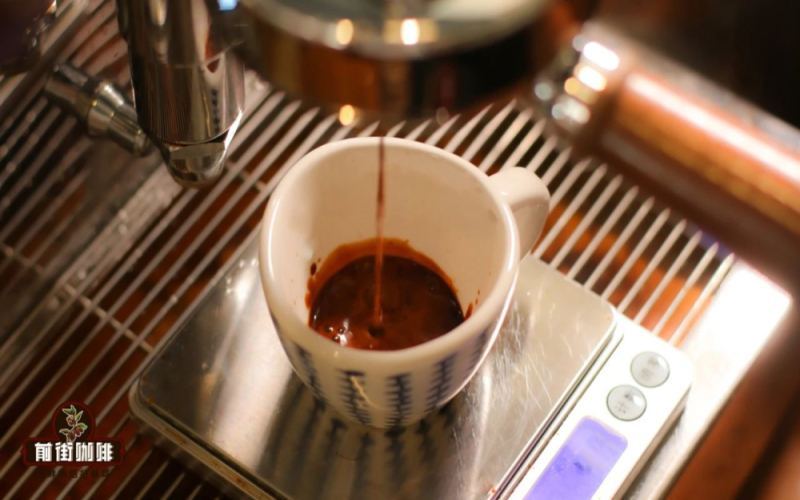
Espresso Extraction Time and Yield Guide: How to Judge and Adjust Flow Rate
To make a great espresso, everything from bean selection and grinding to distribution and tamping directly affects the final flavor. This article focuses on the two core variables—extraction time and coffee liquid yield—explaining how to judge the extraction state by flow rate and offering specific directions for adjustment. It also covers Front Street Coffee's practical approaches to bean resting, blended bean selection, and in-store extraction parameters, helping coffee enthusiasts more consistently reproduce a balanced espresso in their daily routine. [more…]
Nayuki's collaboration with Cardcaptor Sakura merchandise distribution is chaotic, with consumers who spend money on drinks struggling to get the limited-edition paper bags.
Nayuki's second collaboration with "Cardcaptor Sakura" has launched limited-edition drinks and merchandise. Fans who thought they could easily collect all four themed packaging bags instead encountered vastly different treatment at stores. Some people bought just one cup and smoothly received multiple paper bags, while others spent thirty yuan and didn't get a single one—some even found their delivery orders missing the themed cup entirely. This collaboration event has exposed the inconsistent standards of chain brands when executing limited-edition materials, and has left many consumers who ordered specifically for the merchandise feeling disappointed. [more…]

The Science Behind Coffee's Sweet Aftertaste: Why Does Water Taste Sweeter After Coffee? Taste Bud Distribution and Taste Mechanisms
Many coffee lovers have had this experience: after drinking a cup of espresso or single-origin coffee, plain water tastes remarkably sweet. Behind this phenomenon lies the working mechanisms of taste receptors, the effect of taste contrast, and the physiological role of saliva secretion in the mouth. Starting from real customer feedback at Front Street stores, this article systematically analyzes the principles behind coffee's sweet aftertaste, explains the distribution and function of taste buds on the tongue, and explores why coffee's bitterness actually enhances the sweetness of the water that follows. At the same time, the article will draw on specific products such as Front Street Strawberry Candy, Front Street Blackberry, Front Street Mozart, Front Street Sidra, and Front Street 2013 Yunnan Small-Bean to help readers understand this fascinating taste phenomenon more intuitively. [more…]
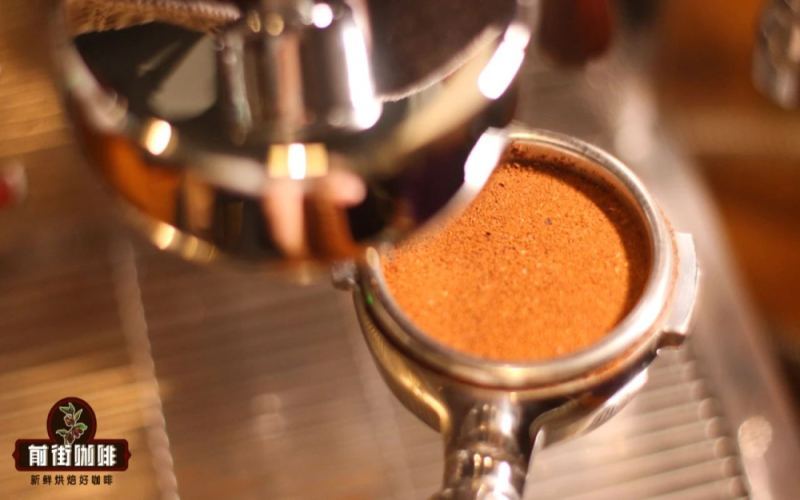
A Complete Analysis of Espresso Flavor Characteristics, Front Street Coffee's Blending Approach, and Extraction Techniques
As the core of café offerings, espresso's flavor expression and extraction technique have always been the focus of baristas' attention. From the perspective of Front Street Coffee, this article systematically sorts out the definition of espresso and the principles behind crema formation, analyzes the pairing logic and roasting emphasis of espresso blends, and breaks down in detail the six operational steps from cleaning the portafilter basket, grinding and dosing, distribution and tamping, to completing the extraction. It also highlights two key details—even distribution and parameter recording—to help coffee enthusiasts make a qualified espresso more consistently. [more…]

Luckin Coffee's Women's Day perks vary by region, sparking debate: some get gift boxes while others get nothing
During Women's Day, Luckin Coffee's holiday gifts for female employees drew attention. This chain brand, with over 130,000 employees and a female proportion of 61%, did not distribute uniform holiday gift boxes this year as it did last year, but instead had each region prepare them on its own. As a result, Beijing employees received wellness sets, while those in Yunnan and Sichuan got folding fans and eye masks, but employees in Shanghai, Guangzhou, Xi'an, and other places said they received only air. What made some people even more dissatisfied was that even when there were gift boxes, part-time staff were excluded. This regional disparity in benefits led many workers to complain continuously on social media platforms. [more…]
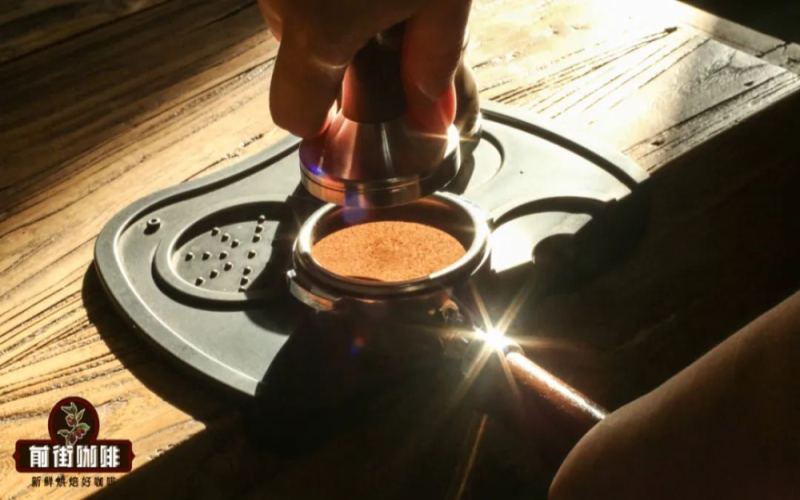
How Much Does Tamping Pressure Affect Espresso Extraction? An Analysis of the 9-Bar Pressure Principle and Distribution Key Points
In the process of making espresso, distributing and tamping coffee grounds are often regarded as the key steps that determine extraction quality. However, how much force does tamping actually require? Do different levels of force really change extraction time and flavor? Through comparative experiments, this article will analyze the differences in espresso extraction time and taste under three conditions: light tamping, heavy tamping, and no tamping, and further explain the actual concept of a coffee machine's 9 bar pressure and its effect on the coffee puck. At the same time, the article will also explain why tamping is still necessary under such high pressure, and how moderate tamping can reduce channeling, allowing hot water to penetrate the coffee bed more evenly, thereby achieving a more balanced espresso flavor. [more…]
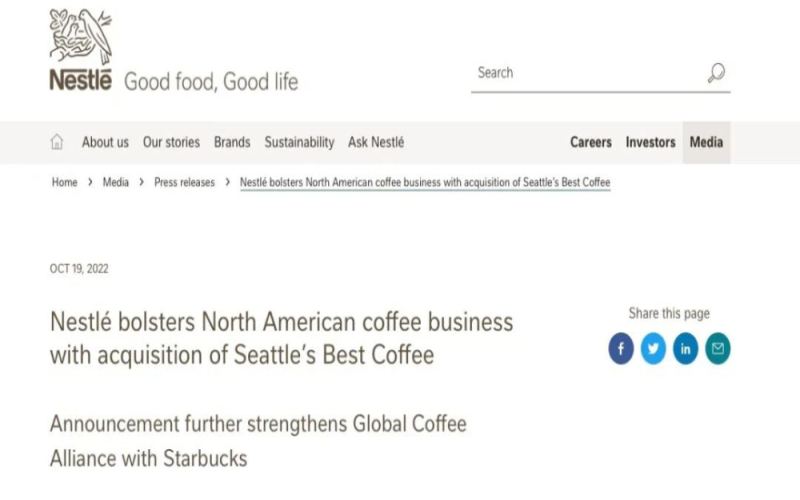
Nestlé makes another move to acquire Starbucks' Seattle's Best Coffee, further deepening the global coffee alliance.
Global food giant Nestlé has announced it will acquire Starbucks' Seattle's Best Coffee brand, a move seen as an important step in Nestlé's continued push to expand in the North American coffee market. This is not the first collaboration between the two companies—in 2018, Nestlé paid $7.15 billion for distribution rights to Starbucks' retail business. The acquisition will further enrich Nestlé's coffee brand portfolio in North America and is expected to be completed by the end of 2022. At the same time, Nestlé has completed several acquisitions this year and launched a new coffee sustainability plan. [more…]
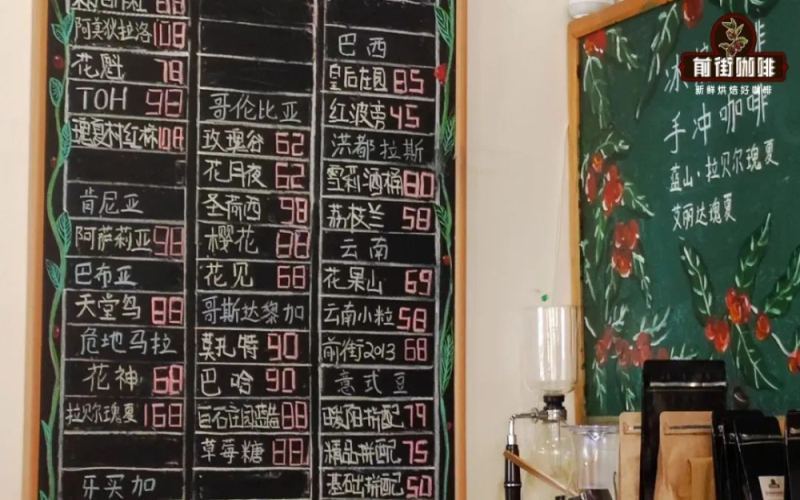
A Detailed Guide to the Three-Pour Pour-Over Method: What Coffee Beans Is It Suitable For?
Pour-over coffee pouring methods have always been a hot topic among enthusiasts. Front Street stores have long used the three-stage pouring method. Although this method is not the one that best highlights the character of a particular bean, it is the most widely applicable and easiest to learn. A single Front Street store offers more than fifty kinds of coffee beans. If a brewing plan were tailored to each one, at least seven or eight different pouring techniques would be needed, so a method compatible with most beans is especially important. The three-stage method can achieve a balance of flavor and mouthfeel across light, medium, and dark roasts, and is particularly friendly to beginners. This article will introduce in detail the three-stage pouring distribution, key operating points, suitable bean types, and parameter adjustment suggestions. [more…]

The opening of Tims' first store in Nanning triggered a queuing frenzy, with consumers clamoring for limited-edition cups in the cold weather.
On December 16, Tims China opened its first store in Nanning, Guangxi, launching opening promotions such as buy-one-get-one-free, adding 1 yuan for a Farmer's Wrap, and giving away limited-edition cups, attracting a large number of consumers to line up in cold weather. The queue began gathering at 7 a.m., and number tickets were distributed within 20 minutes, sparking netizens' doubts about "paid stand-ins." This article reviews the promotion rules, the on-site queue situation, netizens' comments, and similar marketing phenomena by brands in non-first-tier cities, along with related recommendations from Front Street Coffee. [more…]
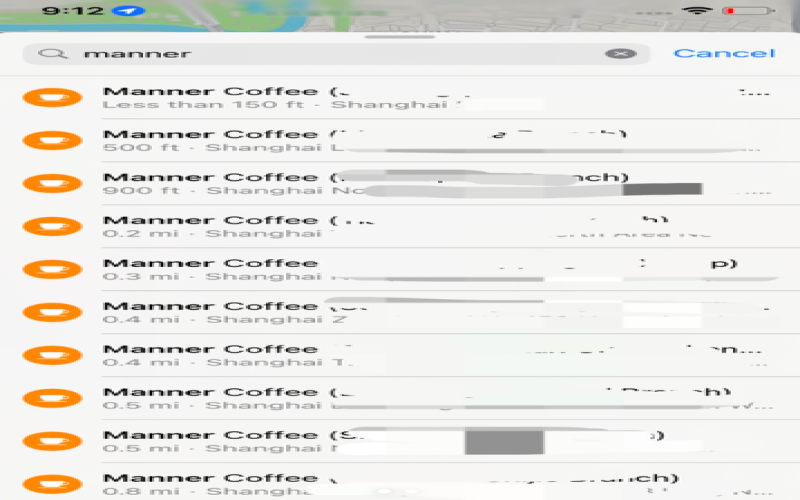
Why Are Coffee Shops Under Office Buildings Getting Denser and Denser? Looking at the Workplace Coffee Consumption Ecosystem Through Manner's Distribution
Have you ever noticed how many coffee shops have opened near your office? One netizen shared a map showing that within a one-kilometer radius of their office building, there were as many as ten Manner locations, striking a chord with a large number of office workers. In the comments, some said there were twelve Manner shops nearby and thirty-three Starbucks, while others carefully counted the clusters of Luckin, Nowwa, and major tea beverage brands downstairs. Why do coffee and milk tea brands favor office buildings? Behind this are multiple considerations, including white-collar workers' high-frequency demand for caffeine, brands' pursuit of revenue stability, and the leasing needs of office buildings. What's more interesting is that the number of coffee shops has been regarded by netizens as an alternative indicator of the concentration of "workplace vibes." This article uses this phenomenon as a starting point to break down the underlying logic of workplace coffee consumption, with relevant observations from Front Street Coffee attached. [more…]
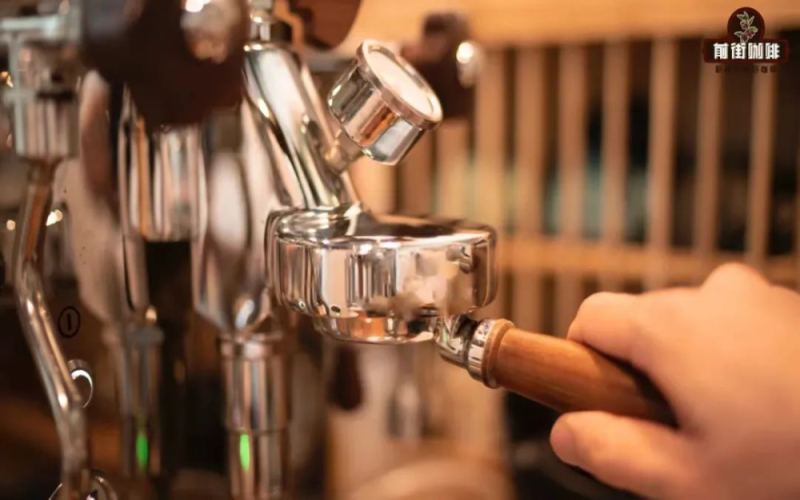
The Correct Way to Distribute and Tamp Espresso: How to Avoid Channeling and Improve Extraction Evenness
Making a proper espresso involves two seemingly simple steps—distribution and tamping—that actually hide many easily overlooked details. If the coffee grounds in the portafilter basket are unevenly distributed, or if the tamping method is improper, hot water will form channeling during extraction, causing some grounds to be over-extracted and others under-extracted, resulting in a final taste that is both sour and bitter. This article, from the perspective of Front Street, explains the respective roles of distribution and tamping, the principle behind channeling, and practical key points such as dosing, distribution needles, dosing cups, and tamping posture, to help coffee lovers make delicious espresso more consistently. [more…]
A Complete Guide to Peru's Coffee Regions: Variety Distribution, Grading and Processing, and Flavor Recommendations for Cajamarca Geisha
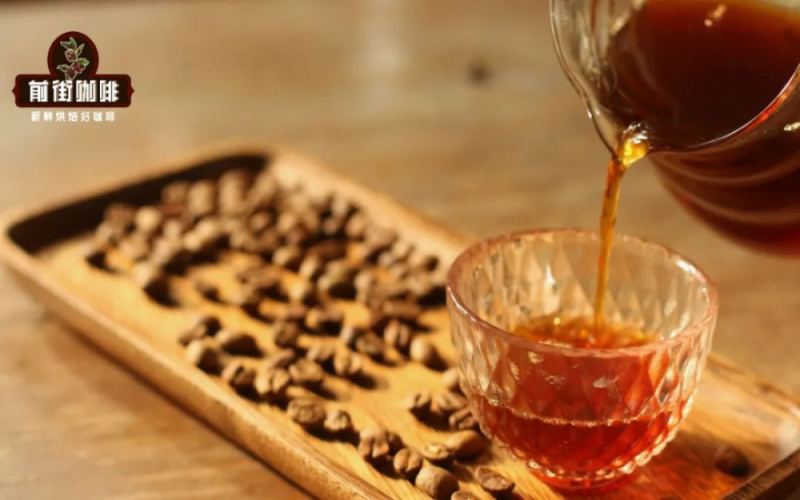
Peruvian coffee has long played a low-key role on the international stage, yet it boasts the unique growing conditions of the Andes Mountains and a rich heritage of old varieties. This article systematically reviews the historical development of Peruvian coffee, the distribution of its three major producing regions in the north, center, and south, the altitude and variety structure, washed processing and grading systems, and provides an in-depth introduction to the terroir advantages of the Cajamarca region. Finally, the article presents the Peru · Cajamarca Washed Geisha sourced by Front Street Coffee, offering a complete picture from the roasting curve to the cupping flavors, showcasing the white floral notes, prunes, citrus, and black tea finish of this bean, providing coffee enthusiasts with a practical reference for purchasing and tasting. [more…]

From Vienna to the Espresso Bar: A Detailed Guide to the History, Classic Recipe, and Making Techniques of Latte Coffee
Latte is one of the most frequently ordered espresso drinks in cafés, yet its origins, recipe ratios, and preparation details are often richer than one might imagine. This article begins with the Blue Bottle coffeehouse in Vienna in 1683, sorts out the differences between latte and café au lait, explains in detail the standard method for making an espresso latte, extraction parameters, dosing and tamping techniques, and milk frothing skills, and introduces how Front Street Coffee's classic espresso blend performs in actual service. Whether you are an enthusiast wanting to learn about latte culture or a professional practicing the fundamentals of being a barista, you will find useful reference here. [more…]
How to Make Espresso: A Full Breakdown of Brew Ratios, Steps, and Key Details
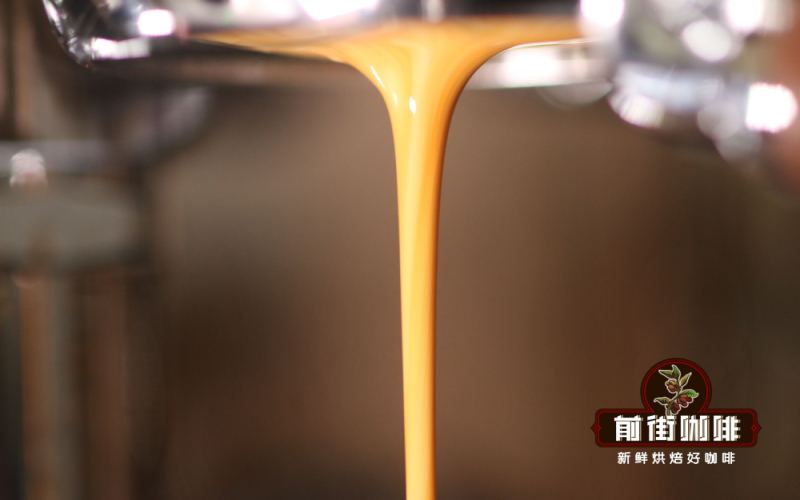
Espresso is the base for many coffee drinks such as Americano, latte, and cappuccino. It is brewed by forcing hot water at high pressure rapidly through finely ground coffee, and its surface is covered with a layer of golden crema. This article begins with the characteristics and history of espresso, then explains in detail the daily production process at Front Street Coffee stores, including extraction parameters such as dose, yield, and time, operational details such as distributing, tamping, and locking in the portafilter, as well as the influence of the four major adjustment factors—dose, grind size, yield, and time—on flavor. It is suitable for coffee enthusiasts who want to consistently make delicious Espresso at home or in a shop. [more…]
Cotti's 0-yuan drink vouchers are hard to snag and expire easily? What hidden thresholds lie behind the freebie hunting?
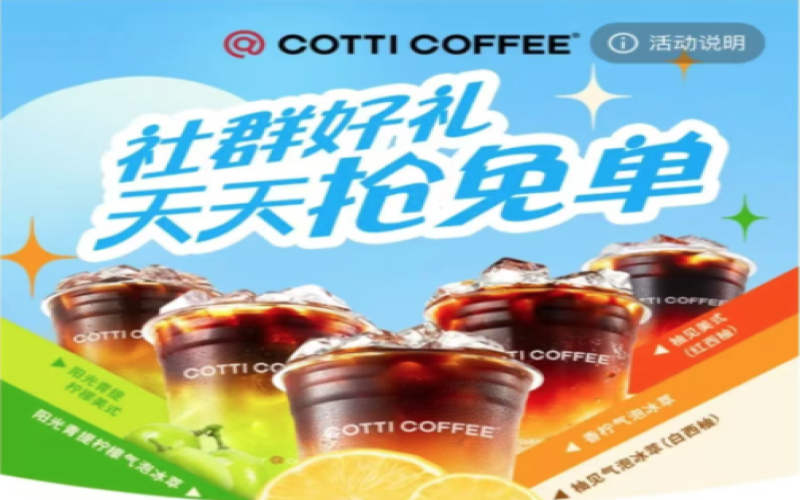
Cotti Coffee's "0-yuan free drink vouchers" have sparked heated discussions on social media. Some people camp out in store groups every day to grab vouchers and drink until they can't stop, while others complain that the voucher-grabbing page crashes and that they wait endlessly to receive vouchers after winning. This article sorts out the channels for obtaining Cotti's free drinks and the rules for using them, including grabbing vouchers in store groups and official WeChat sweepstakes, while also revealing the hidden risk that free vouchers easily expire. In addition, Cotti's "Million Influencer" review program distributes over a million trial drink vouchers each year. What exactly has this strategy brought to the brand? For coffee lovers, before trying to score freebies, it's worth understanding these tricks first. [more…]
How Much Tamping Pressure Is Right for an Espresso Machine? Breaking Down the 9-Bar Extraction Pressure Principle and the Necessity of Tamping
The distribution and tamping steps before espresso extraction have always been a focal point of discussion among enthusiasts. Whether the coffee grounds are evenly distributed in the portafilter basket and whether consistent force is applied during tamping will directly affect the final flavor. But exactly how much force should be used for tamping? Do light tamping, heavy tamping, or even no tamping at all really make a significant difference in extraction time and taste? Through practical testing and comparison, combined with the physical conversion of the 9-bar extraction pressure of an espresso machine, this article reveals the true relationship between tamping force and extraction results, and explains why, even under high-pressure extraction, the step of tamping is still indispensable. In this article, Front Street classic blend coffee beans are used for testing, making it suitable for coffee enthusiasts who want to gain a deeper understanding of the principles of espresso extraction. [more…]
Espresso Full Analysis: From Historical Evolution to Extraction Parameters and Detailed Practical Steps
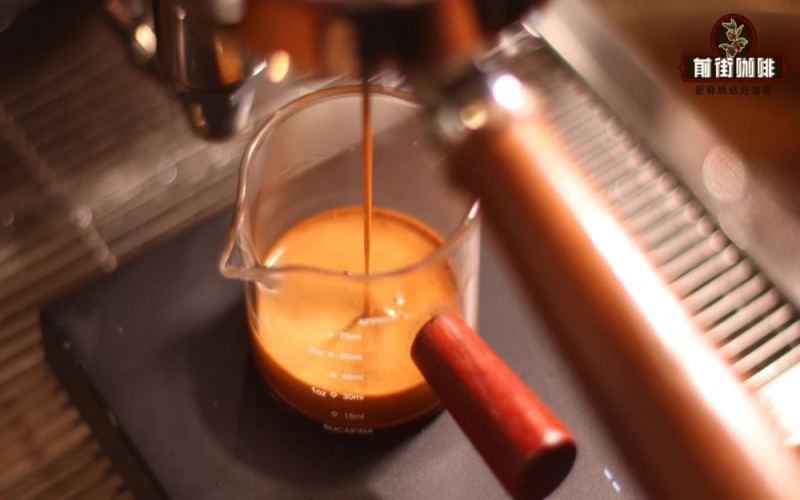
Espresso is the base of many popular coffee drinks today—Americano, latte, cappuccino, and flat white all depend on it. From the perspective of Front Street Coffee, this article traces the birth and evolution of Espresso in Italy, and breaks down one by one the key parameters needed to extract espresso—dose, brew ratio, extraction time, and grind size—while also providing the complete operating steps from receiving the grounds, distributing and tamping, to extraction. The article also combines the actual production experience of Front Street Coffee stores to explain the dose, liquid weight, and time settings for single and double espressos, and recommends espresso blend coffee beans suitable for home replication, helping coffee enthusiasts understand more systematically and make stable espresso. [more…]